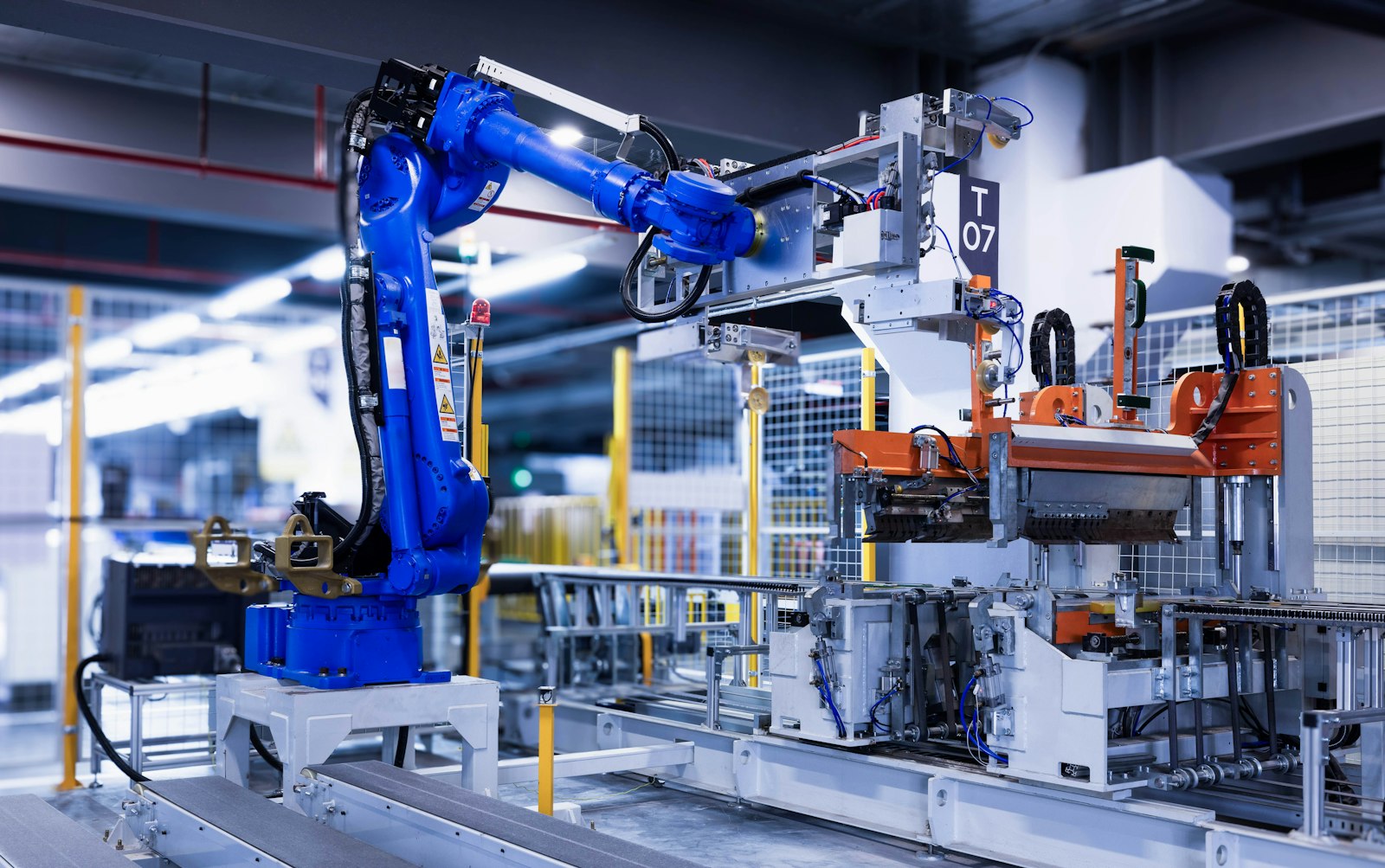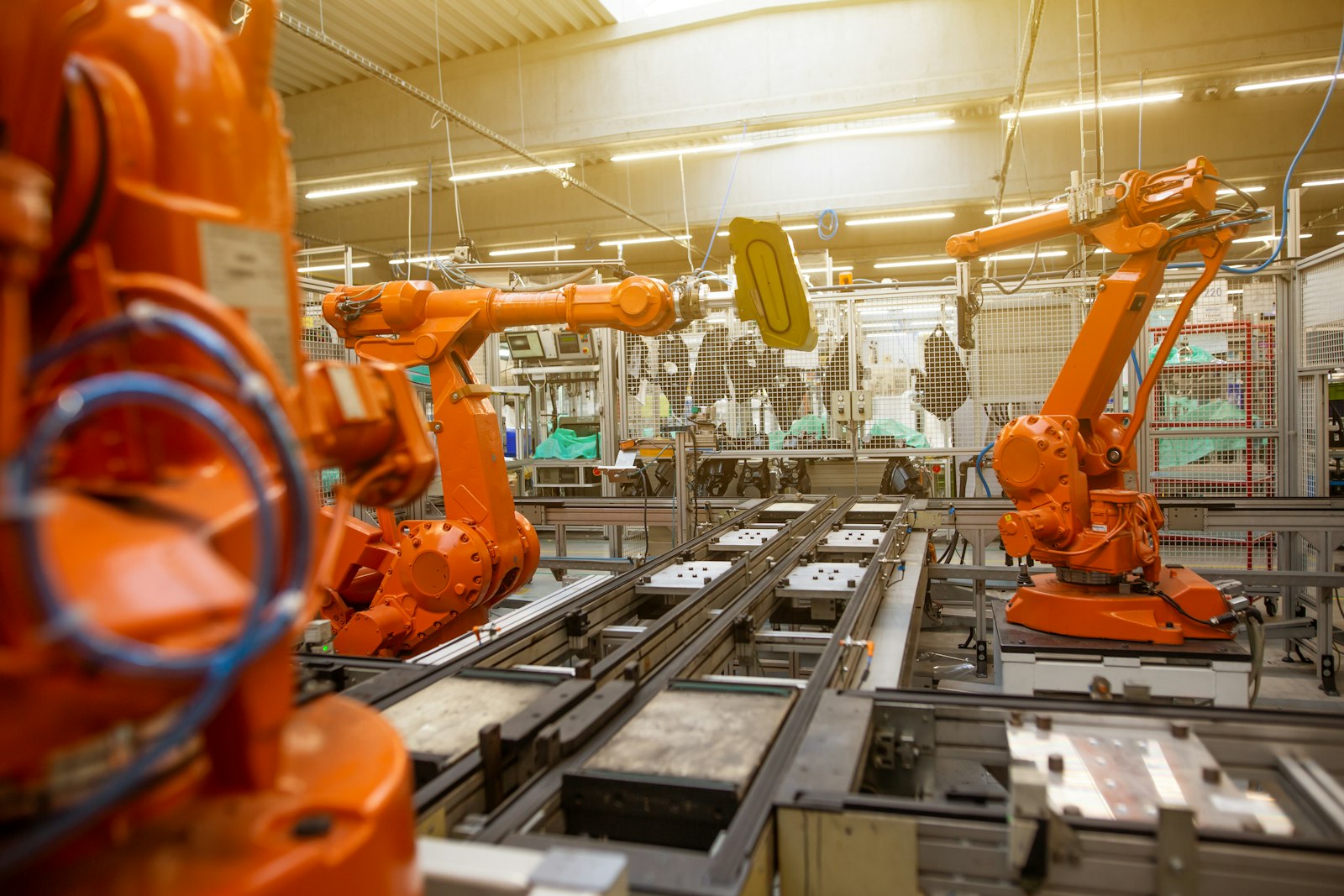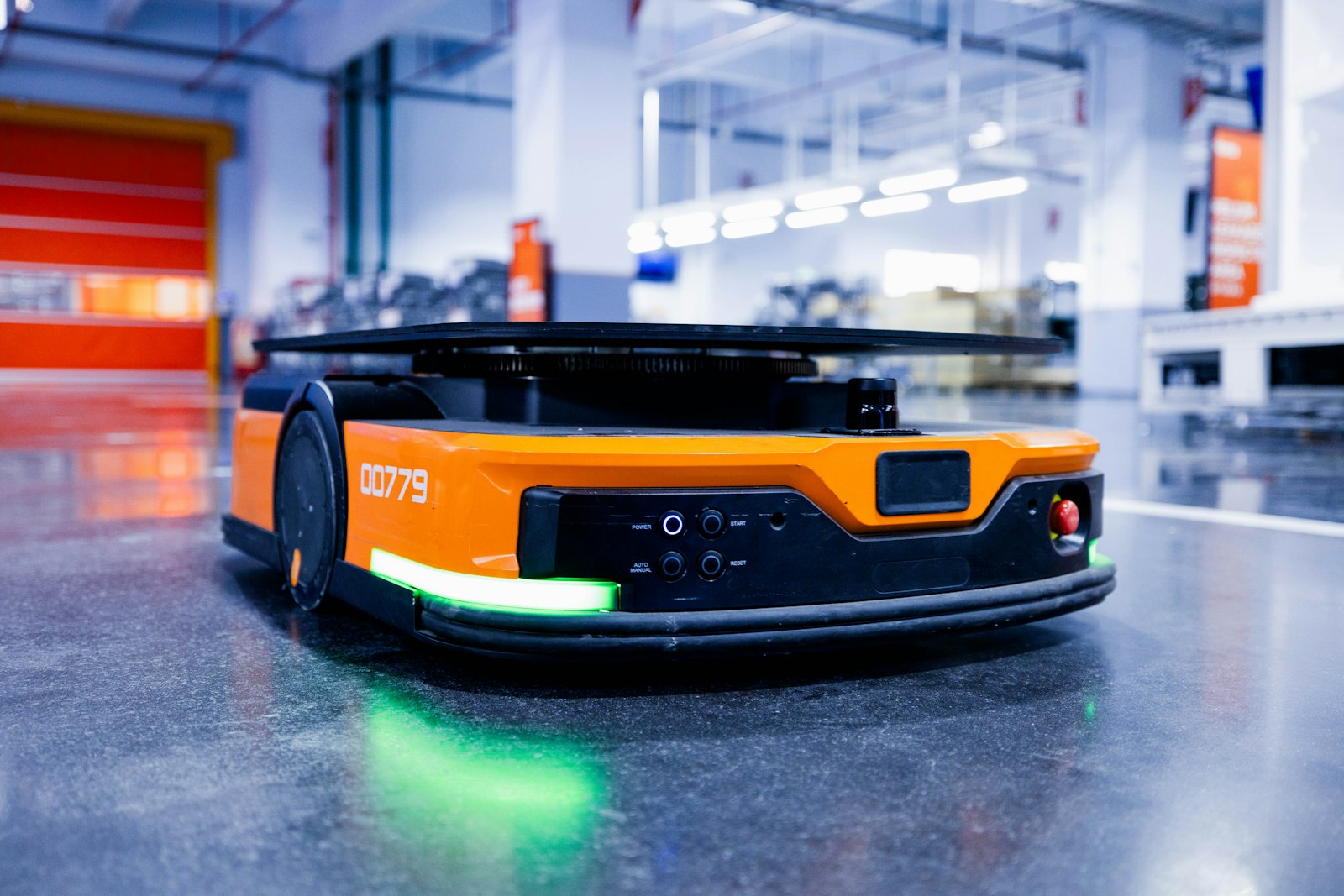
For decades, the rule in factories was simple: robots work behind fences, people work outside them. The new generation of robots is designed to leave the cage, moving through aisles, sharing workstations and passing people in narrow spaces. That opens up a lot of useful work, but only if safety is taken as seriously as performance.
Safety is a property of the whole setup
A common misunderstanding is that a robot is either safe or unsafe. In reality, safety depends on the whole application: the robot, the tool it holds, the load it carries, the speed it moves at, the route it takes and the people around it. A collaborative arm holding a sharp blade still needs serious safeguards.
That is why every installation needs its own risk assessment, following the general principles of ISO 12100. It asks what could go wrong, how likely it is, how bad it would be, and which measures reduce the risk to an acceptable level.
The rules that apply in Europe
Robots are machines, and machines placed on the market in the EU must meet European safety law. Today that is the Machinery Directive. From 20 January 2027 it will be replaced by the new EU Machinery Regulation, which brings clearer rules for machines with self-evolving behaviour and for connected systems.
Several standards turn these legal requirements into practice:
- ISO 10218, parts 1 and 2: safety requirements for industrial robots and for robot systems and their integration.
- ISO/TS 15066: guidance for collaborative operation, including limits for force and pressure if a robot touches a person.
- ISO 3691-4: safety requirements for driverless industrial trucks, which covers many mobile robots.
- ISO 13849: how to design the safety-related parts of a control system so they are reliable enough.
For humanoids and other legged robots, standards are still being developed. Until they exist, these machines need an especially careful risk assessment and conservative operating rules.
Four ways robots and people can share space
The standards describe four main methods of collaboration:
- Safety-rated monitored stop: the robot stops whenever a person enters the shared area and continues when they leave.
- Hand guiding: a person moves the robot directly by hand, for example to teach a position.
- Speed and separation monitoring: the robot slows down as a person approaches and stops before contact is possible.
- Power and force limiting: the robot is designed so that any contact stays below levels that could cause injury.
Most real installations combine several of these, chosen to fit the task.
The human side matters as much
Even a technically perfect installation fails if people do not trust it. A few things make a big difference:
- Predictable behaviour: robots that always use the same routes and signal what they will do next are easier to work with.
- Clear floor design: marked lanes, crossings and stopping points make it obvious where robots go.
- Training: everyone who works near a robot should know how it behaves, how to stop it and whom to call.
- A voice for the team: operators should be able to report near misses and problems easily, and see them acted on.
Questions to ask before robots join your floor
- Who carries out the risk assessment for the complete application, and who signs off on it?
- Which of the four collaboration methods are used, and why?
- How do people know where a robot is going and what it is about to do?
- What happens when a robot loses its connection, its battery runs low or a sensor fails?
- How will incidents and near misses be reported and reviewed?
Our view
Robots that leave the cage can take over a great deal of heavy, repetitive work. That promise only holds if the people next to them feel safe. Safety belongs at the start of a project: it shapes the choice of task, the choice of robot and the way the whole floor is planned, and it deserves the same attention as speed and cost.