Physical AI has become one of the most used phrases in industry this year. SAP launched Physical AI by SAP at TechEd 2026, robot makers use it on every product page, and analysts put it on their trend lists. Ask five people what it means, though, and you will get five answers. This guide explains it in plain terms, for people who run factories and warehouses rather than research labs.
A simple definition
Physical AI is artificial intelligence that works in the physical world. It sees its surroundings through cameras and sensors, decides what to do, and acts through a machine: a robot arm, a mobile robot, a humanoid or a drone.
The AI most people know, such as chatbots and image generators, lives on a screen. When it makes a mistake, you get a wrong sentence. Physical AI moves real objects next to real people. When it makes a mistake, something falls, collides or stops a line. That is why it needs a different level of care, testing and safety.
How it differs from classic automation
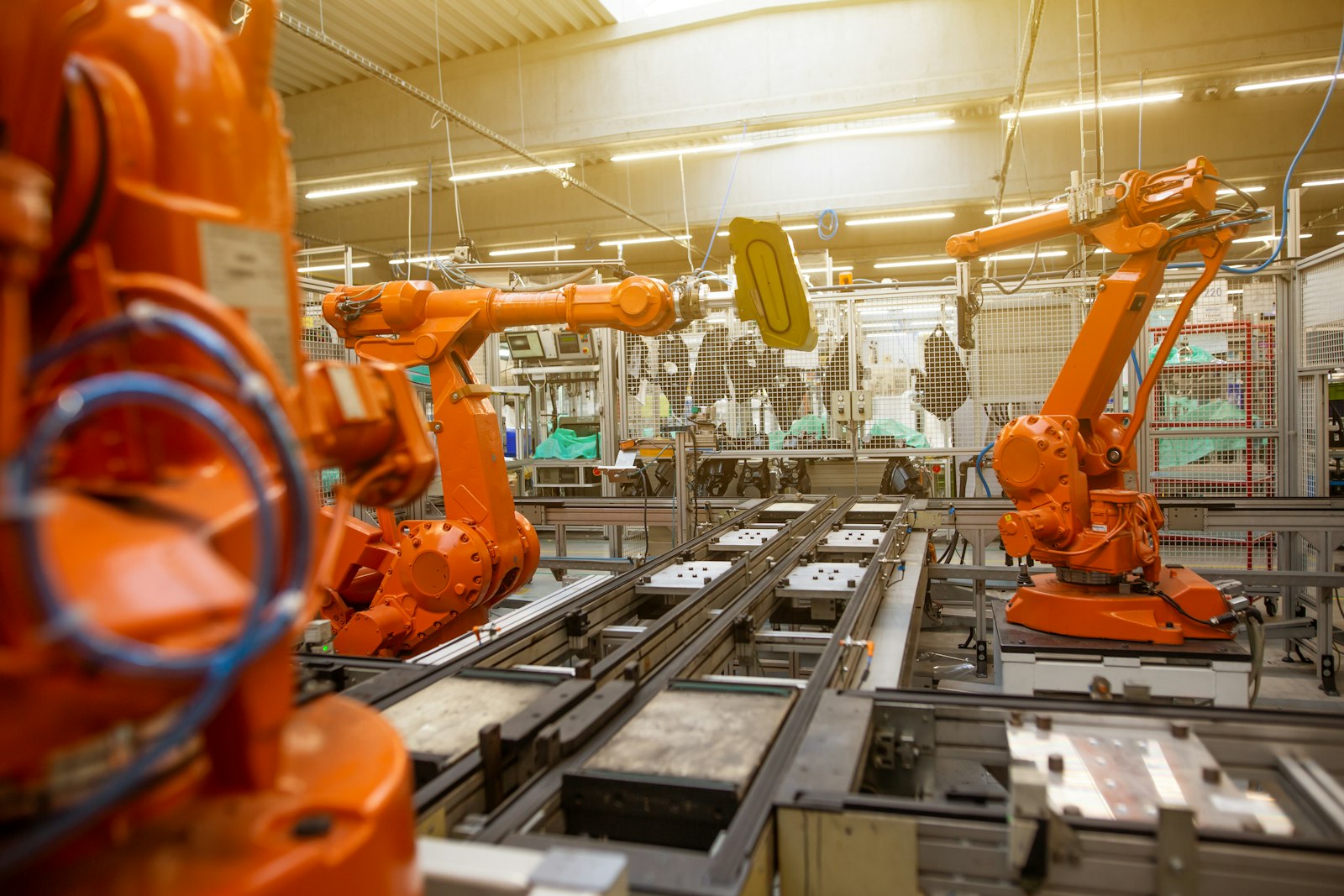
Factories have used robots for decades, so what is new? Classic industrial robots are programmed. An engineer defines every position and every move, and the robot repeats them perfectly, thousands of times a day. That works brilliantly when the part is always in the same place, in the same orientation, in a cell that nobody enters.
It works badly when things vary. A box arrives slightly rotated. A trolley is parked half a metre to the left. A new product variant appears. Every change means new programming, and many tasks were never automated because they changed too often to be worth it.
Physical AI moves the effort from programming to learning. You show the robot what good work looks like, let it practise, and let it adapt to the variation it meets. The robot still needs clear limits and safety rules, but it can cope with a world that changes from one hour to the next.
Why it is happening now
Four things have come together in the last few years:
- Better perception. Cameras and depth sensors are cheaper and more capable, and AI models can now recognise parts, people and obstacles reliably.
- Learning in simulation. Robots can practise a task thousands of times in a virtual copy of the world before they try it for real, which makes training faster and safer.
- More capable hardware. Mobile robots, collaborative arms, humanoids and drones have become cheaper and better at handling real factory conditions.
- Connection to business systems. Robots can now receive work directly from ERP and warehouse systems such as SAP, so they take part in real processes.
What it can do on a real floor today
The most mature uses are the ones with clear inputs, clear outputs and a lot of repetition. Typical examples:
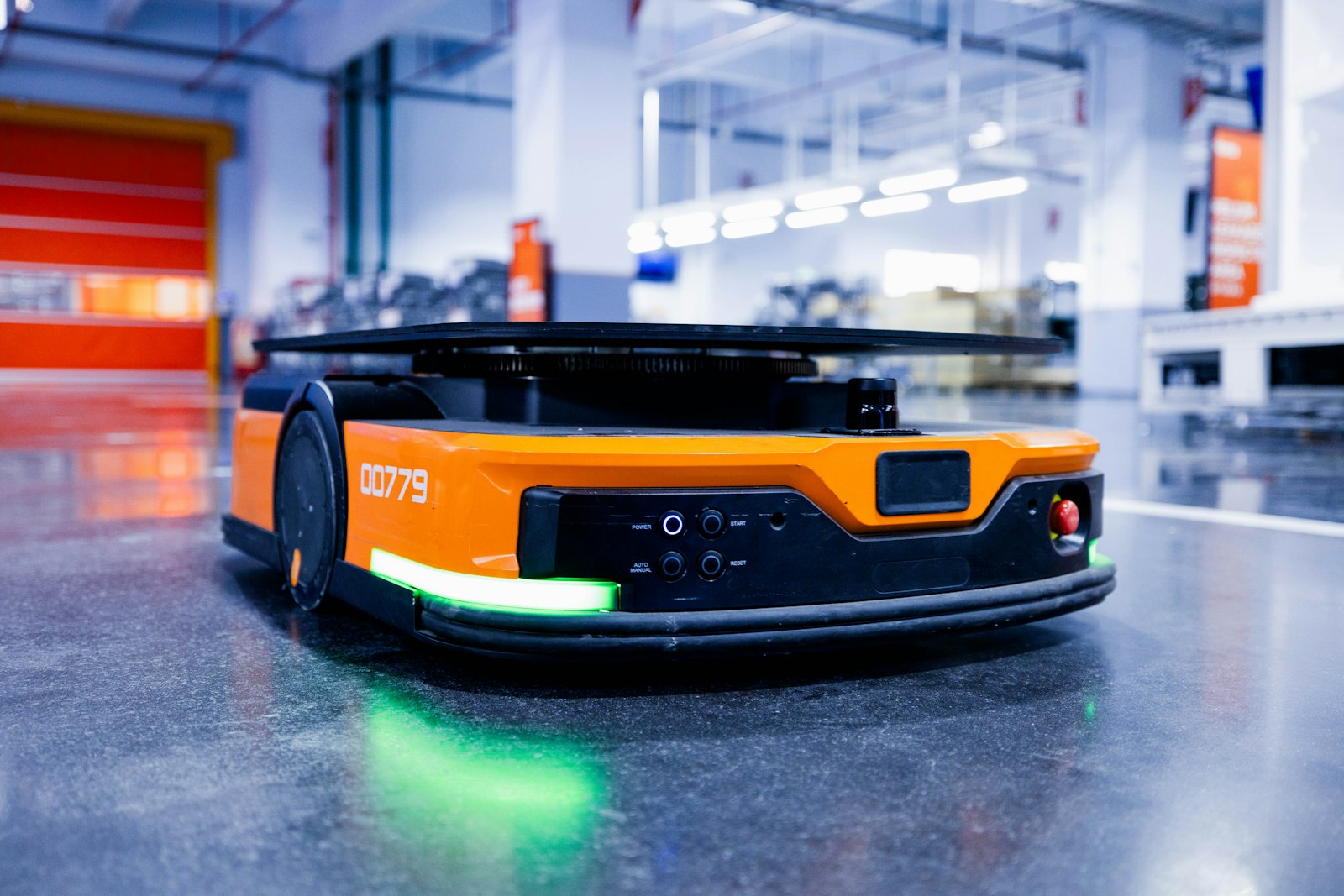
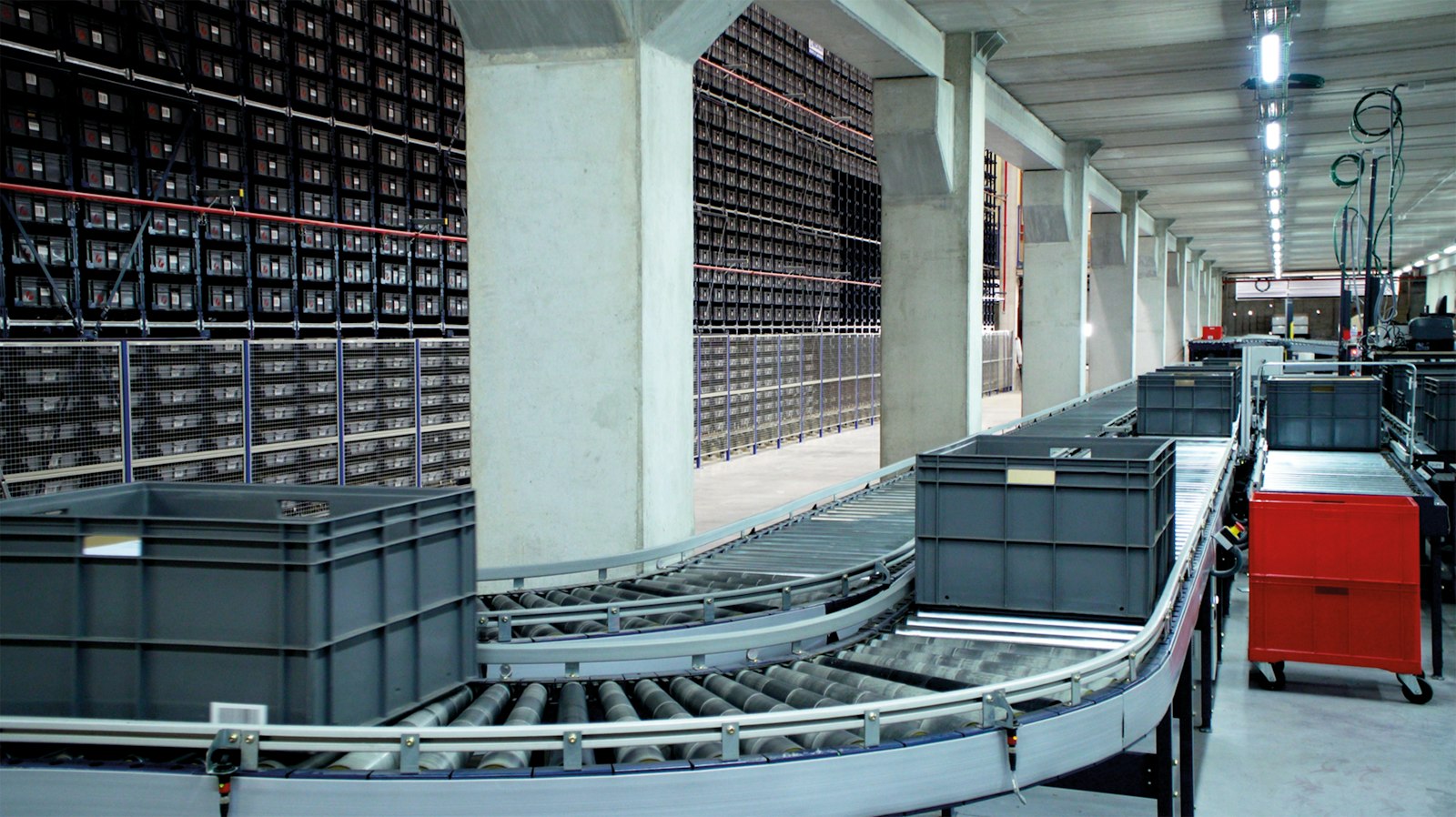
- Moving material: carrying totes, pushing trolleys and feeding parts to a line.
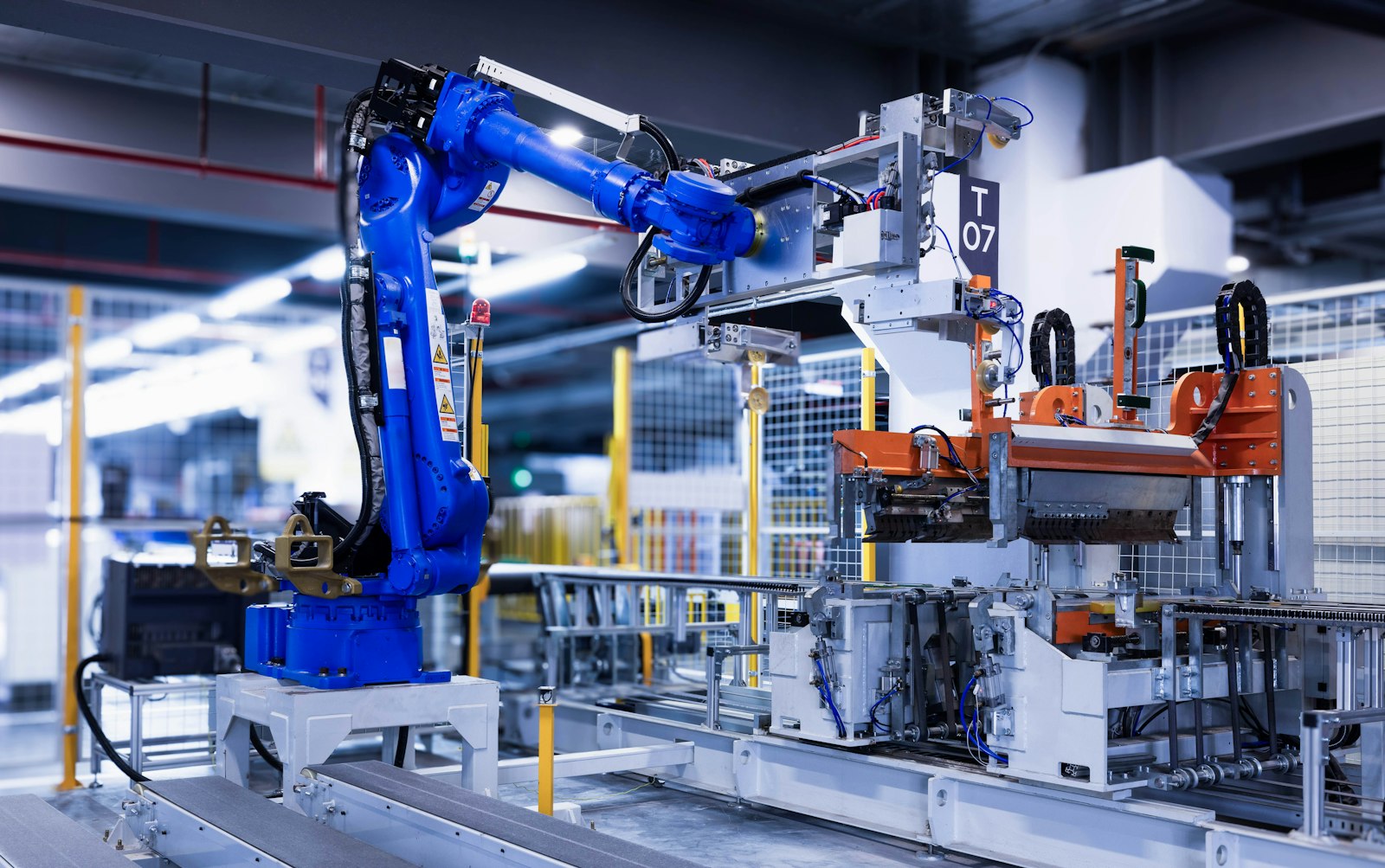
- Machine tending: loading and unloading machines that run for long cycles.
- Picking known parts: taking items from bins or shelves when the range of parts is known.
- Inspection rounds: walking or flying a fixed route to check gauges, stock or equipment.
What these have in common is that the work is dull, repeated many times per shift, and already tracked in a system that knows what needs to happen next.
Where it still falls short
It is just as important to know the limits. Physical AI is not yet a good fit for:
- Very high speed and precision. A fixed, classically programmed robot is still faster and cheaper for high-volume, unchanging tasks.
- Fine handling of unknown objects. Soft, tangled or completely new items remain hard for any robot.
- Tasks that depend on judgement and conversation, like solving a quality problem with a supplier.
A good partner will tell you plainly when a task is better left to a person or to classic automation.
What it means for people on the floor
In most plants the pressing problem is too few people. Many companies in Europe struggle to fill shifts for physically demanding, repetitive jobs. Physical AI is best used to take over that work, so experienced people can spend their time on the tasks that need skill and judgement.
That only works if people are involved from day one. The operators who do the job today know where it goes wrong, which shortcuts exist and what a robot will struggle with. Projects that treat them as experts move faster and last longer.
Five questions to ask any Physical AI vendor
- Which task, exactly, will the robot do, and how will we measure success?
- What happens when the robot fails or gets stuck, and who picks the work up?
- How does it connect to the systems we already use, such as SAP?
- Can we use robots from other makers in the same plan later?
- Who is on site during the rollout, and for how long?
If the answers are vague, the project probably will be too.