Walk around any robotics trade fair and you will see every kind of machine: arms, mobile robots, humanoids, four-legged robots and drones. Each one is presented as the answer. In practice, each type is excellent at some jobs and a poor choice for others. Choosing well starts with the work.
Start with five questions about the task
- Does the work happen in one place, or does something need to move from A to B?
- Can you change the environment, for example by adding fixtures, markings or conveyors?
- How much does each job vary from the last one?
- How fast does it need to be, and how precise?
- How heavy are the things being handled?
Keep your answers next to you as you read the sections below.
Fixed robot arms
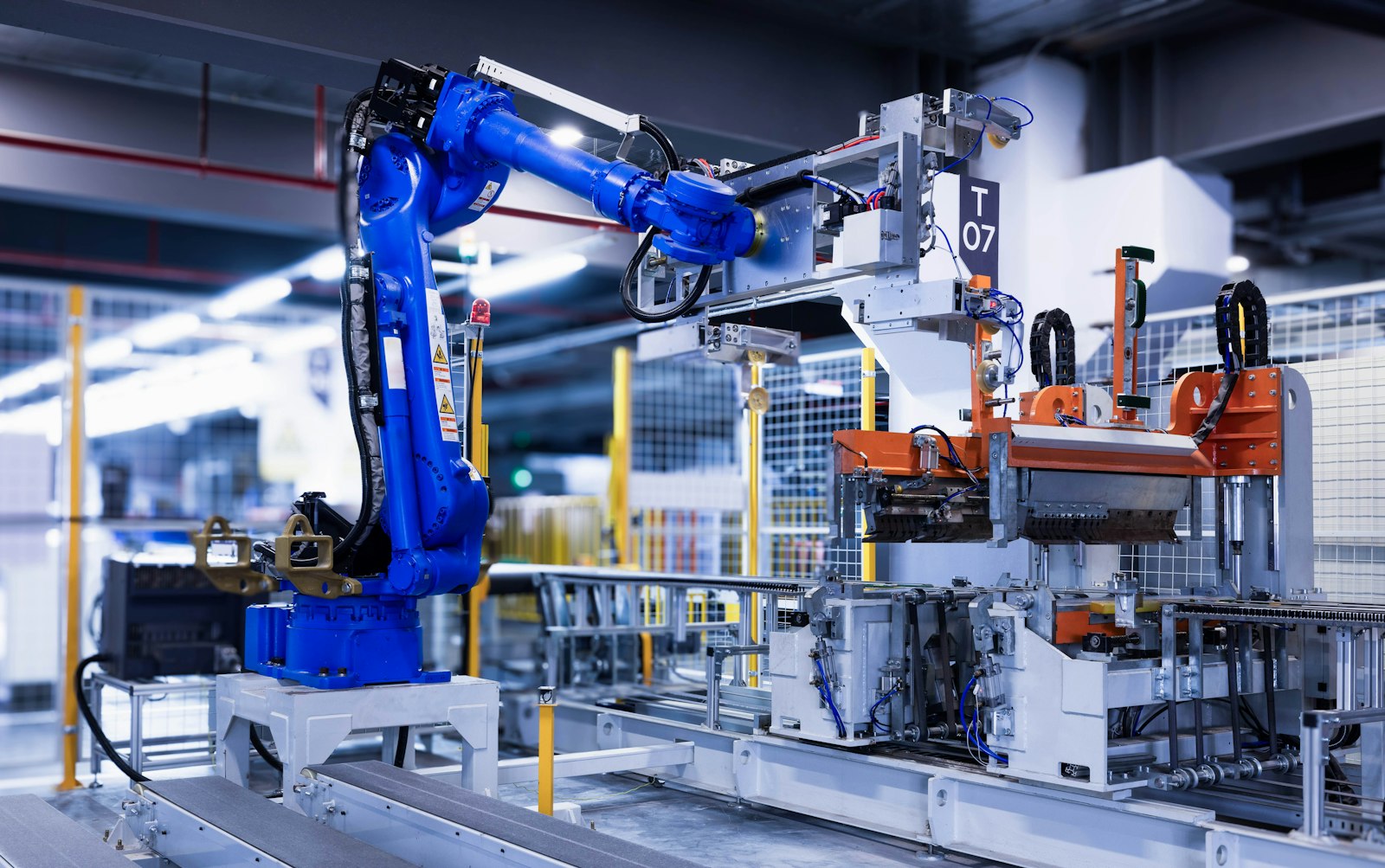
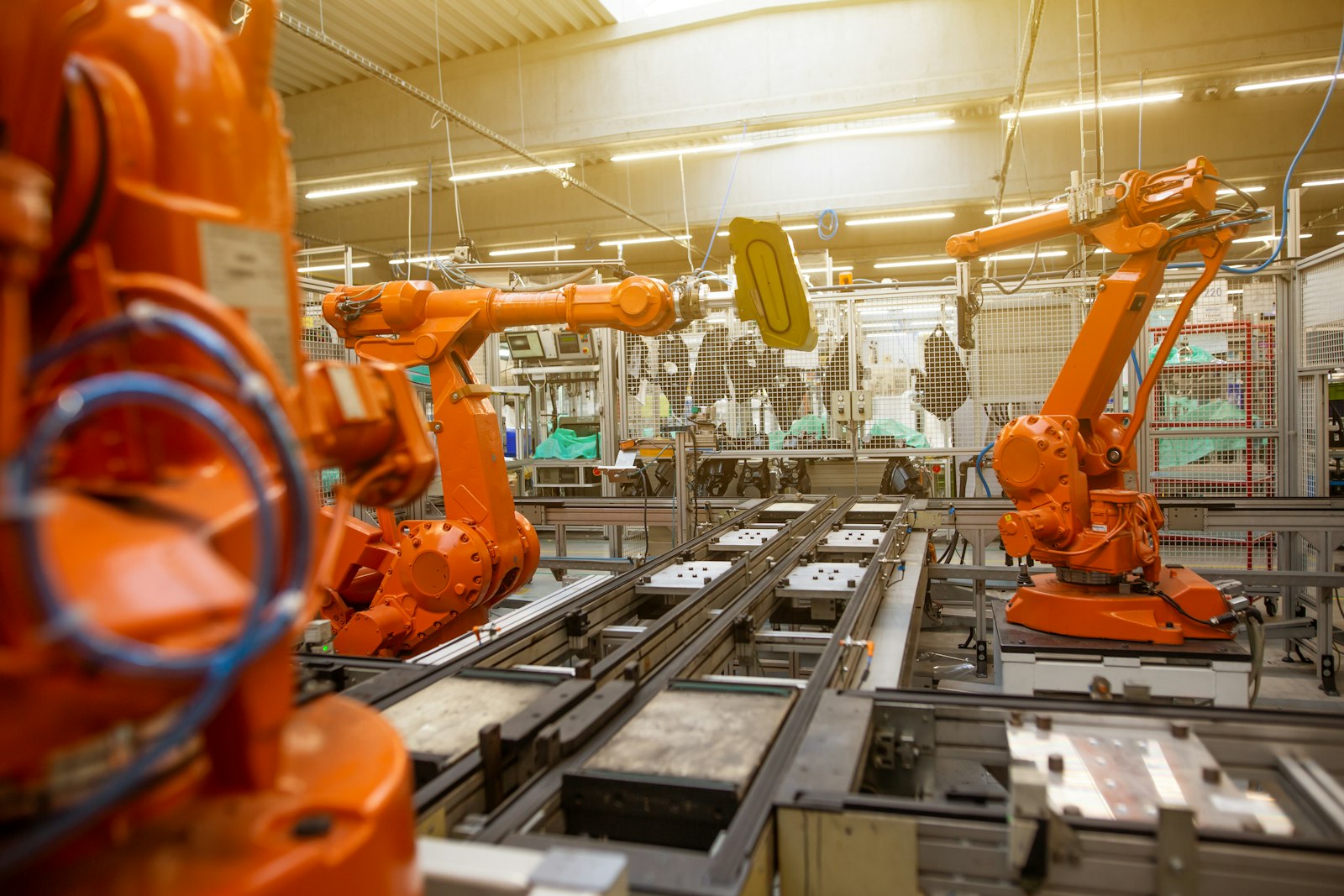
The classic industrial arm is still the fastest, strongest and most precise option. It is ideal for welding, assembly, palletising and machine loading, wherever the work happens in one place and the parts arrive in a predictable way.
Collaborative arms, often called cobots, are lighter and designed to work closer to people with less guarding. They give up some speed and payload in exchange for easier setup and more flexibility.
Choose an arm when the work stays in one spot and you can bring the parts to it. Look elsewhere when the task means walking between stations.
Mobile robots: AGVs and AMRs
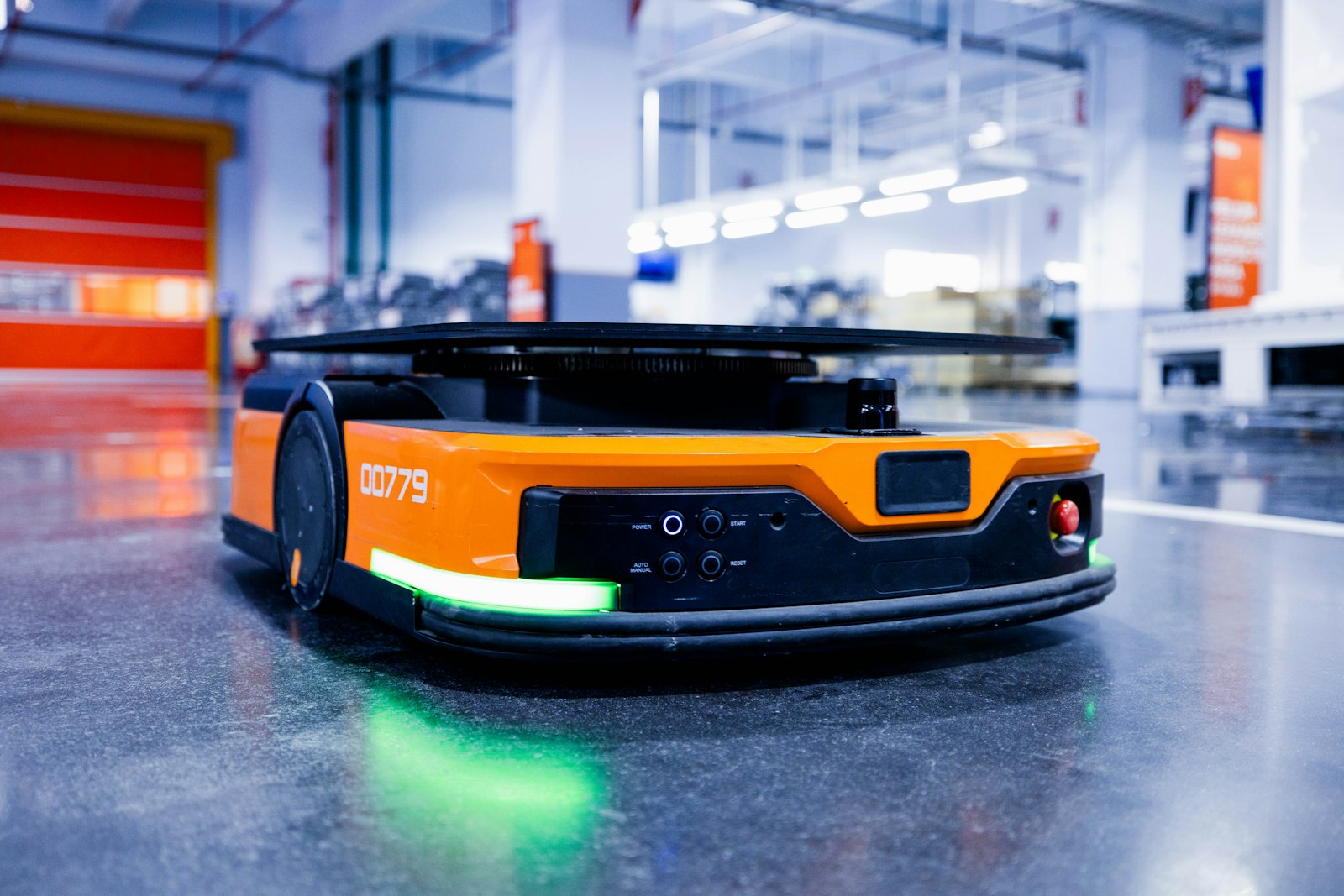
When the job is moving goods across the floor, mobile robots are usually the first choice. Automated guided vehicles (AGVs) follow fixed routes, often marked by lines, magnets or reflectors. Autonomous mobile robots (AMRs) build a map and plan their own route around obstacles.
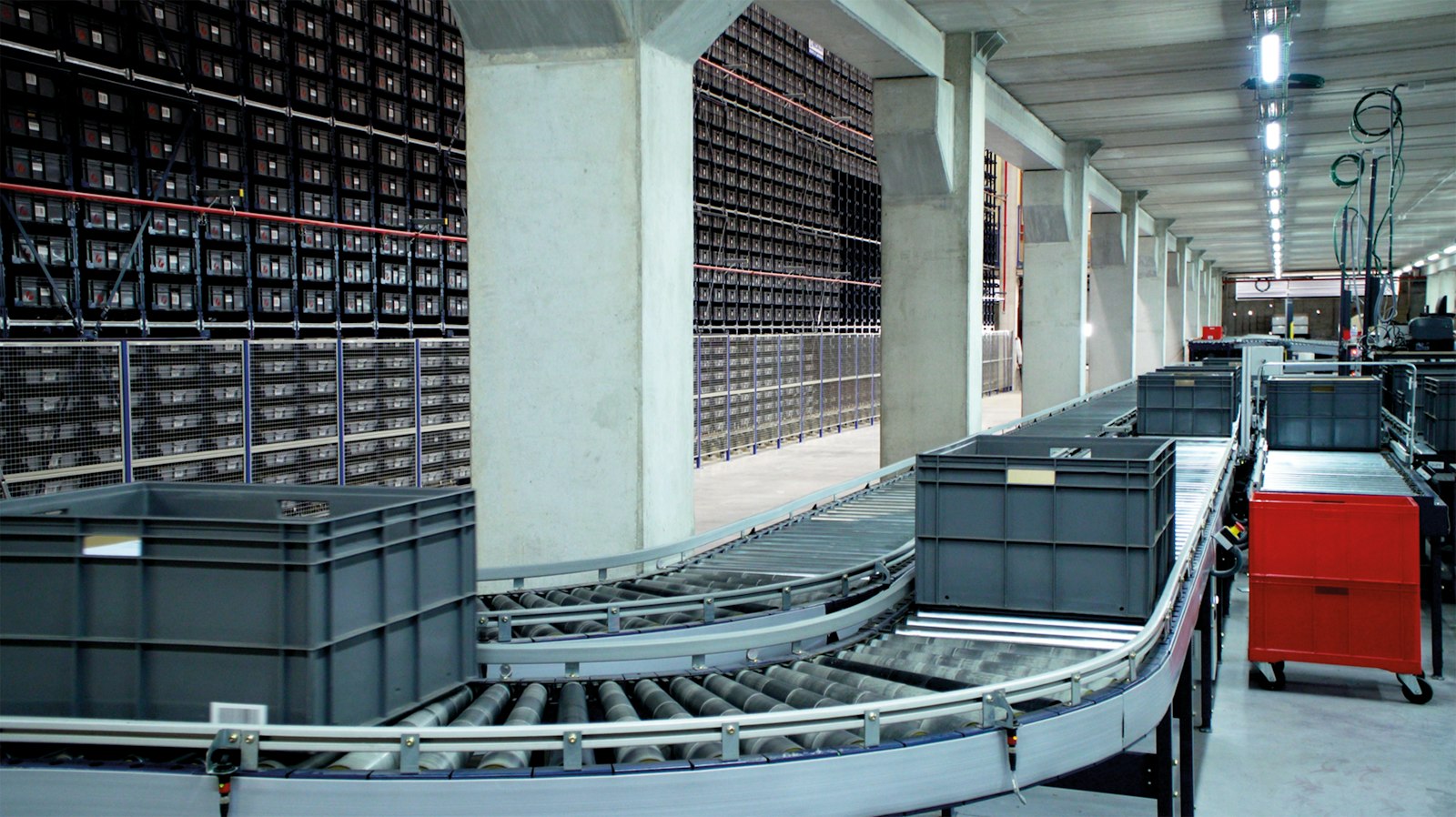
They are excellent at carrying totes, pallets and carts over long distances, all shift long. Their limit is that they mostly move things; they only pick them up or put them away when an arm is added on top. They also need reasonably clear, flat floors.
Humanoid robots
Humanoids get most of the attention, and for good reason. Factories and warehouses are built for people: shelves at human height, trolleys with handles, doors, steps and workstations designed for two hands. A robot with a human shape can, in principle, use all of that without changing the building.
That makes humanoids interesting for tasks that change often or span several areas, such as pushing trolleys between stations, feeding parts to a line or handling the odd jobs that no fixed automation covers. The trade-offs are real: today they are slower than a specialised machine, they carry less, and the technology is younger. A humanoid makes the most sense where you would rather keep the building as it is.
Four-legged robots
Quadrupeds handle stairs, gratings, cables and uneven ground far better than wheeled robots. Their natural job is inspection: walking a route through a plant, reading gauges, checking for leaks, heat or noise, and reporting what they find. They are rarely the right choice for carrying goods.
Drones
Indoor drones are increasingly used for inventory, flying along high racks and scanning labels that are hard to reach from the ground. They can turn a stock count that takes a team several days into a much shorter job. Their limits are flight time, the need for safe flight zones and rules about flying near people.
A quick way to decide
- Work stays in one place and must be fast and precise: a fixed arm.
- Goods need to travel across the floor: an AGV or AMR.
- Tasks vary and use spaces built for people: a humanoid.
- Routine checks over rough ground or stairs: a four-legged robot.
- Stock checks in high racks: a drone.
Most sites will need more than one
For most plants the answer is a mix. An AMR brings the parts, an arm assembles them, a humanoid handles the trolley no one else can, and a drone counts the stock at night. That only works if all of them share one plan, so they keep out of each other's way and your team has a single screen to watch.
Before you buy any robot, ask how it will work with the next one. A machine that only talks to its own software will be a problem the day you add a second brand.